

Gravel Pricing Explained: How Much Does a Ton of Crush and Run Gravel Cost?


In case you have ever attempted to repair a driveway or even an uneven yard, perhaps you pondered, " How much is a ton of gravel? This question appears to be straightforward, doesn't it? But soon, you are either making calls or searching on the web, and prices are fluctuating all over again.
First Off, What’s “Crush and Run” Gravel Anyway?
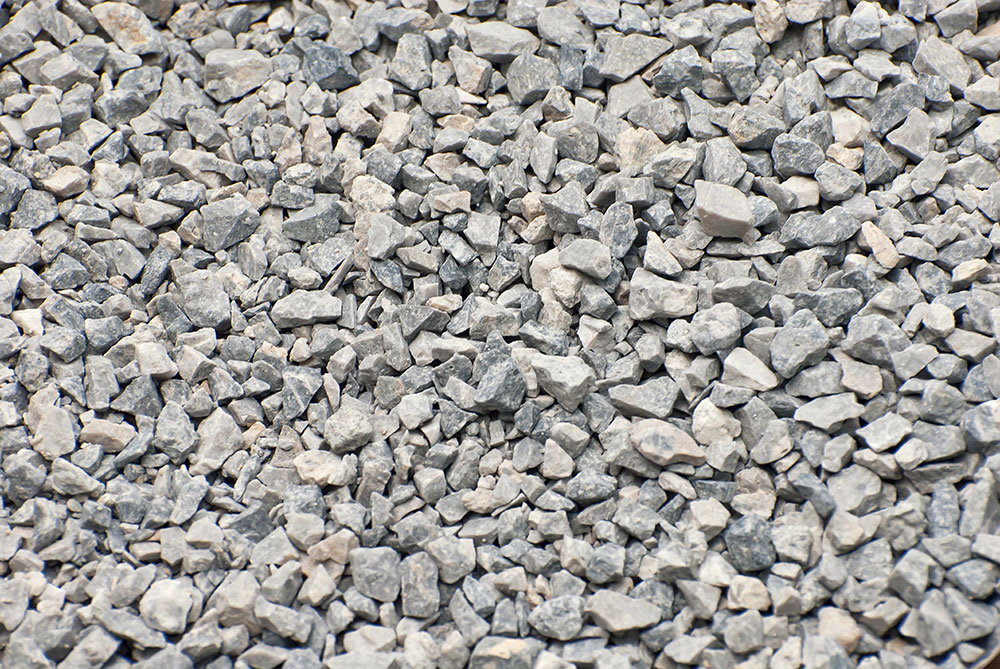
Let's confirm our common understanding prior to discussing numbers. Crush and run gravel consists mainly of crushed stone and stone dust with some mixture. The gravel is coarse, firm, and has a stronghold through the packing-down process. It is a popular choice for the base layer of driveways, patios, or in places where solid support is required and weight can be applied.
So, How Much Does a Ton Really Cost?
Okay, let's get right to it. How much does a ton of gravel cost? Usually, it's somewhere between $25 and $55. That's the price range for most of the standard gravel kinds. The deciding factors of the dollar figure are your location, the type of gravel, and the volume of your purchase.
Here’s a quick rundown:
- Base gravel (The material utilized beneath roads or slabs): nearly $20–$40 per ton.
- Decorative gravel (The amazing or smooth types): $60–$100 per ton.
- Crush and Run Gravel: Normally $35–$50 per ton.
And don’t forget delivery. That can add another $50–$150, depending on distance. So, if you’re a long drive from the supplier, it’s gonna cost a bit more.
Why Prices Jump Around So Much
The price changes for a few simple reasons:
- Where You’re Located: If you’re near a quarry or a big supplier, you’re golden. But if you’re out in the sticks, the delivery cost hits hard.
- Type of Gravel: Fancier or smaller-grain gravel costs more. Basic road gravel? Way cheaper.
- How Much You Buy: Buy a little, pay more per ton. Buy in bulk, and the price usually drops.
- Time of Year: Spring and summer are busy seasons for outdoor work, so prices tend to climb.
It’s not rocket science. Most of it comes down to hauling costs and demand.
How Much Do You Actually Need?
Here’s where a lot of people mess up: they underestimate.
One ton of gravel can cover approximately 80–100 square feet if the gravel layer is 2 inches deep. In the case of driveways or walkways, the thickness will most likely be 3–4 inches.
A rough idea:
- Single-car driveway (12x20 ft): about 3–4 tons.
- Double-car driveway (24x20 ft): around 6–8 tons.
Always order a bit extra. Trust me, you don’t want to run out halfway through and have to call for another half-load.
Should You Pick It Up or Get It Delivered?
It is possible for you to come and get it on your own if you have a truck; however, do it wisely. A ton of gravel is approximately 2,000 pounds in weight. The majority of regular pickup trucks are able to safely carry half a ton, probably three-quarters. Therefore, if you do not enjoy making a lot of trips, it is better that you have it delivered.
The delivery fee may be a bit more, but the ease of it is definitely worth the whole amount. The driver unloads it right where it is needed, and you are good to go.
Getting the Best Deal
Nobody likes overpaying. Here are a few tricks to stretch your money:
- Call around. Prices can swing a lot, even between nearby suppliers.
- Ask about local blends. Some suppliers have regional gravel mixes that are cheaper but work just as well.
- Buy in bulk. Contractors do this for a reason, which cuts down the cost per ton.
- Order off-season. Late fall or winter can sometimes mean lower prices.
You don’t have to be an expert to save a few bucks, just plan ahead.
Where to Get Reliable Gravel in California
If you’re in California, check out Western Materials. They’ve been doing this for over 40 years, and they know their stuff. They supply sand, gravel, crushed rock, you name it. Contractors, landscapers, homeowners, everyone uses them because they’re reliable and they deliver on time.
They’ve got locations across the state, and they’ll help you figure out exactly what type of gravel fits your project. Whether it’s a driveway base, landscaping project, or something bigger, they make it simple and straight-up.
The Bottom Line
So, how much is a ton of gravel? A ton of gravel typically costs between $25 and $55. The price varies by location and type of gravel. If you want a product that is strong, user-friendly, and will last a long time, crushed and run gravel is a good option. It is not attractive, but it works and works well.
And with a supplier like Western Materials, you will be getting quality material, reasonable prices, and no nonsense. This is a combination that you do not find every day.
For projects such as driveways or foundations, you do not need a fancy one, you need a strong one. This is exactly what crush and run gravel provides you. It is simple, strong, and very good for its price.
FAQs
1. What is crush and run gravel used for?
On the whole, this is the category of substances that are typical for the building of e.g. driveways, paths, or roadbeds, etc., because of their feature to pack closely and still be permeable to water.
2. How much gravel do I need for a 1,000 sq. ft. area?
Around 10–12 tons, the figure varying with the depth of the laying.
3. Is crush and run gravel less expensive than asphalt?
Yes, a lot less. In addition, it is more convenient to keep and repair.
4. How often should I restock my gravel driveway?
Once every 1–2 years, the interval is determined by the weather and traffic.
5. Is it possible to use crush and run gravel for landscaping?
Absolutely, it is perfect for garden walks, under bark, or places for letting off water.
.png)
.png)
.png)
.png)

.png)
.png)


