How Can Cobbles Be Used to Create Natural & Durable Landscape Designs?

Home Icon
Contractor X
August 22, 2024

Easy steps to create a color palette

Lorem ipsum dolor sit amet, consectetur adipiscing elit. Integer libero molestie gravida morbi aliquam, dui neque pharetra. Egestas accumsan, potenti pulvinar nisl a turpis sit sed vitae netus sed quis eget sed nunc ac faucibus lacus arcu aliquet lorem ut mauris amet tempor nunc sed cursus integer eget tellus in eu a est.

  • Neque sodales ut etiam sit amet nisl purus. Non tellus orci ac auctor.
  • Adipiscing elit ut aliquam purus sit amet. Viverra suspendisse potenti.
  • Mauris commodo quis imperdiet massa tincidunt nunc pulvinar.

What is a color palette?

Lorem ipsum dolor sit amet, consectetur adipiscing elit ac varius duis sed amet arcu pellentesque ipsum dui, pellentesque facilisis vitae feugiat dui vel quis consectetur sed aliquet platea nulla varius dignissim eget vel in nec nulla mauris at amet vitae pharetra id lectus rhoncus, erat sed.

Why defining interior color schemes is so important

Lorem ipsum dolor sit amet, consectetur adipiscing elit commodo risus eget feugiat amet pellentesque massa morbi in montes, pharetra id sagittis, sed. Id consequat nam egestas enim eu elementum sed at nibh.

  1. Neque sodales ut etiam sit amet nisl purus non tellus orci .
  2. Adipiscing elit ut aliquam purus sit amet viverra .
  3. Mauris commodo quis imperdiet massa tincidunt nunc.
  4. Adipiscing elit ut aliquam purus sit amet viverra suspendisse.

Why defining interior color schemes is so important

Nisi quis eleifend quam adipiscing vitae. Aliquet bibendum enim facilisis gravida neque. Velit euismod in pellentesque massa placerat. Volutpat lacus laoreet non curabitur gravida. Odio aenean sed adipiscing diam donec adipiscing tristique risus. Amet est placerat in egestas erat imperdiet sed euismod nisi.

What is your favorite color palette?

Eget lorem dolor sed viverra ipsum nunc aliquet bibendum. Felis donec et odio pellentesque diam volutpat commodo sed egestas. Aliquam sem fringilla ut morbi tincidunt augue interdum velit euismod. Eu tincidunt tortor aliquam nulla facilisi. Aenean sed adipiscing diam donec adipiscing. Ut lectus arcu bibendum at varius.

When​​‌​‌​​‌​‌ a customer approaches us for a landscaping material that can withstand the test of time and still look natural, we almost inevitably talk about cobbles. Besides strength, they provide texture and a look that can be harmonized with almost any outdoor style. In case you want something rugged or something neat and simple, cobbles are still a good option because they bridge the gap between form and function. They do not just beautify. They become the elements that define the ones that are solid and last longer than most of the common materials. 

In case you have been trying to figure out how to build a natural landscape that remains stable through weather, foot traffic, and everyday use, cobbles should be on your list. 

Why Cobbles Work Well in Landscape Design

Although we deal with various types of stone, cobbles have several characteristics that make them the most dependable material for outdoor projects that are meant to last. They are smooth, compact, and weighted enough not to be moved by you placing them there. This is important when you want a design to be stable for ​‍​‌‍​‍‌​‍​‌‍​‍‌years.

Cobbles help you:

  • Build natural borders
  • Control soil movement
  • Add weight and support to soft areas
  • Create texture without making the space feel busy

Their size and strength give you a design material that looks simple but works hard for you.

Building Borders and Edges

Borders often fail because the material shifts and falls over time. When​‍​‌‍​‍‌​‍​‌‍​‍‌ we utilize cobbles, the mass and form are what assist them to remain in their position. They are used to make attractive and durable edges around garden beds, lawns, and walkways. 

It is also possible to slightly stack cobbles if you want to have a higher edge. The rounded shape provides you with a softer appearance, and thus the landscape becomes more natural rather than one that is made by a machine. 

Managing Water and Preventing Erosion

Most of the problems that we solve in yards are related to water. Water moves soil, creates low spots, and washes out planting beds. Cobbles are one of the best tools that we use to guide water, and at the same time, not build something that looks industrial. 

One can put cobbles along slopes, drainage paths, and low areas to slow down the water and thus keep the soil from washing away. Due to their shape and the way they are placed, they allow water to pass through while holding the soil in ​‍​‌‍​‍‌​‍​‌‍​‍‌place.

This works especially well in:

  • Dry riverbeds
  • Sloped gardens
  • Around downspouts
  • Along retaining walls

If you have been searching for “rocks for landscaping near me” to handle water issues, cobbles often give you a good balance of strength and a natural look.

Adding Structure to High-Traffic Areas

Walkways and gathering areas wear down fast if the materials are weak. Cobbles help in these areas because they reinforce the edges and keep gravel, mulch, or soil contained. You get a clean boundary that keeps the space organized.

For paths, some homeowners place cobbles along both sides, then fill the center with finer gravel or compacted material. This keeps the walkway narrow, simple, and stable.

Using Cobbles for Accent and Contrast

Landscapes with only one texture tend to look flat. Cobbles help break up that look without feeling out of place. Their size gives the eye something solid to focus on.

Here are a few ways we use them for visual impact:

  • Around trees to form simple rings
  • As accents around boulders
  • Mixed into dry riverbeds
  • As highlights in low-maintenance gardens

They pair well with plants that have soft leaves or flowing shapes. That balance between stone and greenery makes the landscape feel complete.

Choosing the Right Cobbles for Your Yard

Not all cobbles are the same. Some are smooth and rounded from rivers. Others are more irregular from quarries. Each type works differently depending on what you want.

We usually guide customers to think about:

  • Size: Larger cobbles stay in place better on slopes. Smaller cobbles work better for borders.
  • Color: Grays feel modern and clean. Browns and tans feel warm and natural.
  • Purpose: Structural areas need heavier cobbles. Accent areas can use lighter options.

The right size and color help your design look intentional rather than random.

Working With Western Materials

If you want cobbles that hold up and look consistent, the supplier matters. Western​‍​‌‍​‍‌​‍​‌‍​‍‌ Materials deals with cobbles of various sizes, colors, and types of stones. We assist you in pairing the stone with the design as well as the weather of your yard, so the end result is of the right strength. Besides that, we have the necessary tools for your convenience and which will keep your work going without any ​‍​‌‍​‍‌​‍​‌‍​‍‌interruptions.

Conclusion

Cobbles give you a landscape material that looks natural and handles real wear. You can use them to build borders, manage water, support walkways, or add contrast to planted areas. They work well because they combine strength and a simple appearance.

When you are choosing cobbles for your project, remember:

  • Match the size to the job
  • Use them to guide water and prevent erosion
  • Add them around paths and beds for structure

Consider pairing them with other stones if you need rocks for landscaping near me

With the right approach, cobbles help you build a landscape that stays stable and feels connected to the environment.

FAQs

1. What are cobbles used for in landscaping?

Cobbles are used for borders, drainage paths, accents, and areas that need durable structure.

2. Do cobbles help with erosion control?

Yes. Their weight and spacing slow water movement and keep soil from washing away.

3. Can cobbles be used around walkways?

They work very well around walkways by holding the path material in place and giving the edges more structure.

4. Where can I buy quality cobbles for landscaping?

You can find consistent cobbles and supporting materials at suppliers like Western Materials when searching for rocks for landscaping near me.

How Can Cobbles Be Used to Create Natural & Durable Landscape Designs?

Published on:

December 9, 2025

When​​‌​‌​​‌​‌ a customer approaches us for a landscaping material that can withstand the test of time and still look natural, we almost inevitably talk about cobbles. Besides strength, they provide texture and a look that can be harmonized with almost any outdoor style. In case you want something rugged or something neat and simple, cobbles are still a good option because they bridge the gap between form and function. They do not just beautify. They become the elements that define the ones that are solid and last longer than most of the common materials. 

In case you have been trying to figure out how to build a natural landscape that remains stable through weather, foot traffic, and everyday use, cobbles should be on your list. 

Why Cobbles Work Well in Landscape Design

Although we deal with various types of stone, cobbles have several characteristics that make them the most dependable material for outdoor projects that are meant to last. They are smooth, compact, and weighted enough not to be moved by you placing them there. This is important when you want a design to be stable for ​‍​‌‍​‍‌​‍​‌‍​‍‌years.

Cobbles help you:

  • Build natural borders
  • Control soil movement
  • Add weight and support to soft areas
  • Create texture without making the space feel busy

Their size and strength give you a design material that looks simple but works hard for you.

Building Borders and Edges

Borders often fail because the material shifts and falls over time. When​‍​‌‍​‍‌​‍​‌‍​‍‌ we utilize cobbles, the mass and form are what assist them to remain in their position. They are used to make attractive and durable edges around garden beds, lawns, and walkways. 

It is also possible to slightly stack cobbles if you want to have a higher edge. The rounded shape provides you with a softer appearance, and thus the landscape becomes more natural rather than one that is made by a machine. 

Managing Water and Preventing Erosion

Most of the problems that we solve in yards are related to water. Water moves soil, creates low spots, and washes out planting beds. Cobbles are one of the best tools that we use to guide water, and at the same time, not build something that looks industrial. 

One can put cobbles along slopes, drainage paths, and low areas to slow down the water and thus keep the soil from washing away. Due to their shape and the way they are placed, they allow water to pass through while holding the soil in ​‍​‌‍​‍‌​‍​‌‍​‍‌place.

This works especially well in:

  • Dry riverbeds
  • Sloped gardens
  • Around downspouts
  • Along retaining walls

If you have been searching for “rocks for landscaping near me” to handle water issues, cobbles often give you a good balance of strength and a natural look.

Adding Structure to High-Traffic Areas

Walkways and gathering areas wear down fast if the materials are weak. Cobbles help in these areas because they reinforce the edges and keep gravel, mulch, or soil contained. You get a clean boundary that keeps the space organized.

For paths, some homeowners place cobbles along both sides, then fill the center with finer gravel or compacted material. This keeps the walkway narrow, simple, and stable.

Using Cobbles for Accent and Contrast

Landscapes with only one texture tend to look flat. Cobbles help break up that look without feeling out of place. Their size gives the eye something solid to focus on.

Here are a few ways we use them for visual impact:

  • Around trees to form simple rings
  • As accents around boulders
  • Mixed into dry riverbeds
  • As highlights in low-maintenance gardens

They pair well with plants that have soft leaves or flowing shapes. That balance between stone and greenery makes the landscape feel complete.
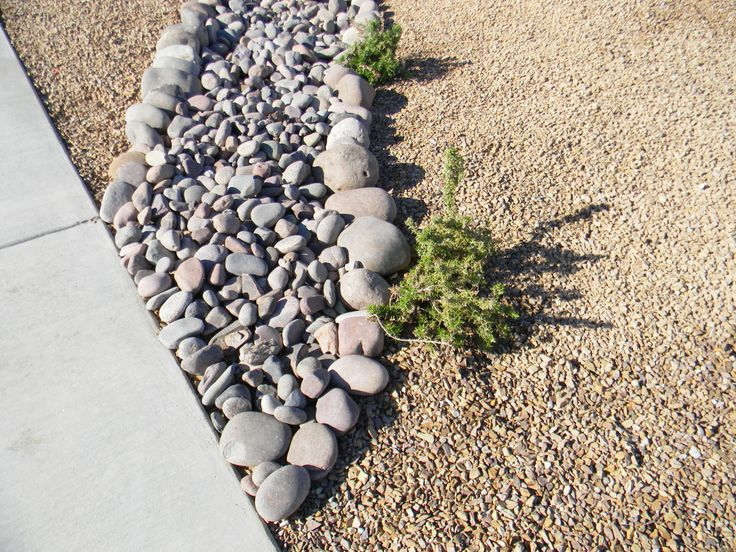
Choosing the Right Cobbles for Your Yard

Not all cobbles are the same. Some are smooth and rounded from rivers. Others are more irregular from quarries. Each type works differently depending on what you want.

We usually guide customers to think about:

  • Size: Larger cobbles stay in place better on slopes. Smaller cobbles work better for borders.
  • Color: Grays feel modern and clean. Browns and tans feel warm and natural.
  • Purpose: Structural areas need heavier cobbles. Accent areas can use lighter options.

The right size and color help your design look intentional rather than random.

Working With Western Materials

If you want cobbles that hold up and look consistent, the supplier matters. Western​‍​‌‍​‍‌​‍​‌‍​‍‌ Materials deals with cobbles of various sizes, colors, and types of stones. We assist you in pairing the stone with the design as well as the weather of your yard, so the end result is of the right strength. Besides that, we have the necessary tools for your convenience and which will keep your work going without any ​‍​‌‍​‍‌​‍​‌‍​‍‌interruptions.

Conclusion

Cobbles give you a landscape material that looks natural and handles real wear. You can use them to build borders, manage water, support walkways, or add contrast to planted areas. They work well because they combine strength and a simple appearance.

When you are choosing cobbles for your project, remember:

  • Match the size to the job
  • Use them to guide water and prevent erosion
  • Add them around paths and beds for structure

Consider pairing them with other stones if you need rocks for landscaping near me

With the right approach, cobbles help you build a landscape that stays stable and feels connected to the environment.

FAQs

1. What are cobbles used for in landscaping?

Cobbles are used for borders, drainage paths, accents, and areas that need durable structure.

2. Do cobbles help with erosion control?

Yes. Their weight and spacing slow water movement and keep soil from washing away.

3. Can cobbles be used around walkways?

They work very well around walkways by holding the path material in place and giving the edges more structure.

4. Where can I buy quality cobbles for landscaping?

You can find consistent cobbles and supporting materials at suppliers like Western Materials when searching for rocks for landscaping near me.