

What Makes the Ideal Surface Blend for Softball & Sports Fields?


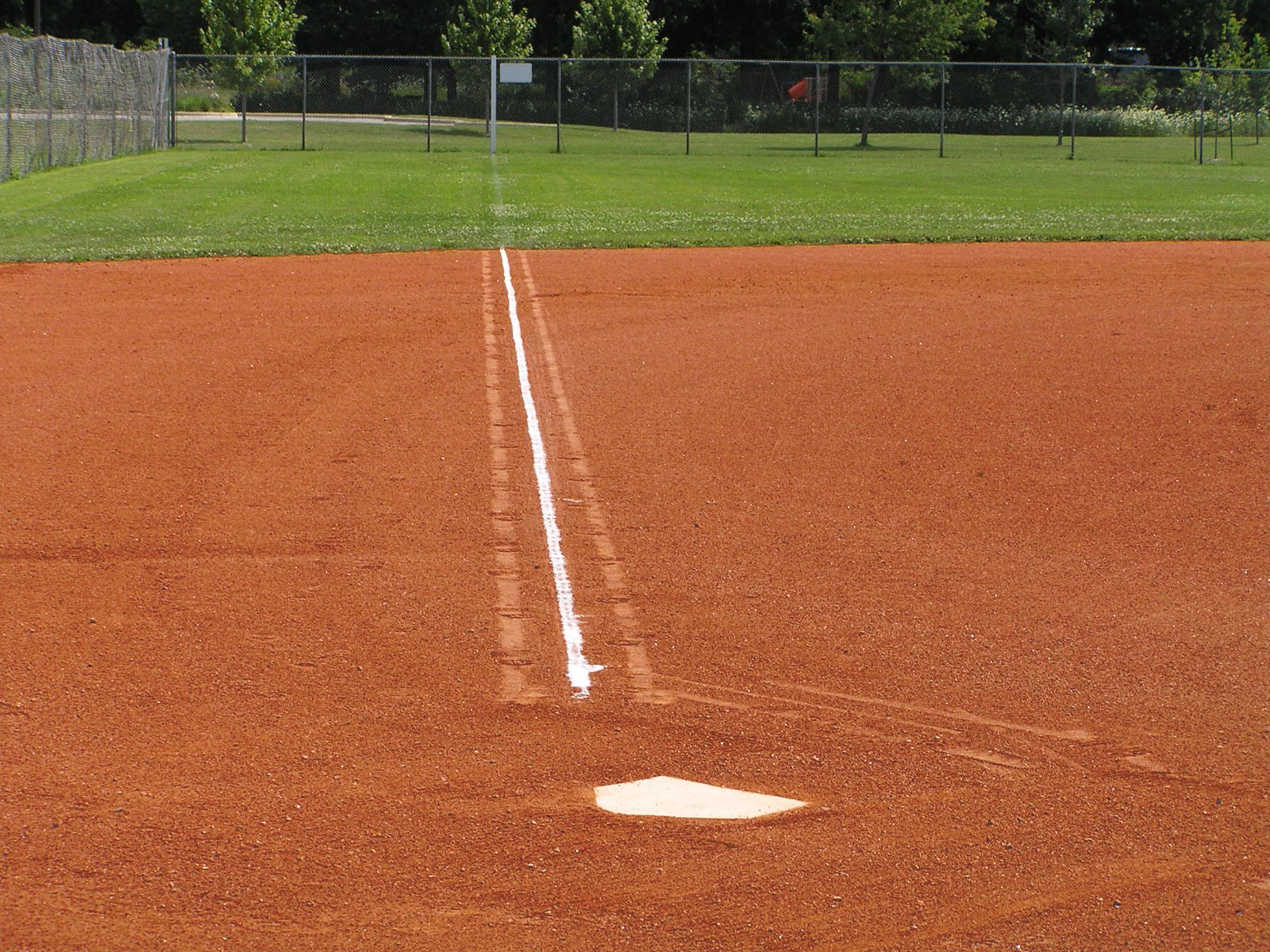
When you step onto a well-kept softball field, you can definitely sense it. The ground has that ideal equilibrium, it is solid yet gentle, even but not slick. It is not a matter of chance. It is all about the surface blend. The main point of having that perfect combination determines not only the playing aspect of the field, but also its drainage and lifespan.
Let’s dig into what really makes the ideal softball infield mix for sports fields, and why not all dirt is equal.
It All Starts with the Right Ingredients
You can’t just throw dirt on the ground and call it a field. A real sports surface is a blend, part science, part feel. The best fields usually use a mix of sand, silt, and clay. The trick is in the ratio.
Too much sand? The field turns into a dust storm and dries out fast. Too much clay? Players end up slipping or getting stuck. You need the sweet spot, enough clay to hold shape, enough sand for drainage, and just enough silt to keep things tight.
For softball, that’s even more important. A softball infield mix has to handle constant cleat traffic, sliding, and weather changes. You want a surface that stays stable after a rain but doesn’t turn rock-hard in the sun.
Moisture Control: The Secret Ingredient
Moisture is, literally, what can save or destroy any field. You could have the perfect mixture, but if the field lacks water or has an excess of it, it’s over.
The top condition of fields is when they are able to retain water uniformly; they do not dry out on the surface while being wet at the bottom. This is the reason why grounds crews are so enthusiastic about blends with the exact amount of clay. Clay helps retain water, but not too much.
Daily watering, regular dragging, and smart drainage design all help keep that balance. It’s not just maintenance; it’s part of what makes the field play great.
Texture & Playability
Players notice the feel of the field before the first pitch. Is it smooth? Firm? Predictable? That’s all in the texture.
A good infield surface should be tight enough so a grounder doesn’t take a wild bounce, but loose enough to let a slide happen without burns. The mix should compact easily but still “give” under pressure.
That is why the majority of professional-level fields, including those at local parks and large stadiums, use specially made materials for a softball infield mix for performance. The goal is to produce a surface that is safe, uniform, and gentle for the players.
Why Local Soil Usually Isn’t Enough
Here’s the thing: most local dirt doesn’t cut it. It might look fine, but it’s missing balance. Some areas have too much clay; others are sandy like a beach.
Professional field builders source their material from trusted suppliers who know how to blend to spec. That’s where companies like Western Materials come in.
They supply top-quality baseball field materials and infield mixes across California, designed for all kinds of sports fields. Whether it’s a high school diamond or a professional softball complex, they’ve got blends tested for performance, drainage, and durability.
And because they’ve been in the business for over 40 years, they know what works for your region’s climate and conditions. That’s something most local fill dirt can’t match.
Customizing for Your Sport
A softball field plays differently from a baseball field. The bases are closer, the ball is larger, and the game moves faster in tighter spaces. That means the infield has to handle quick pivots, sharp slides, and hard drives, all without turning uneven or dusty.
The ideal softball infield mix usually has a little more clay than a baseball one. This provides improved traction and stability for those short plays with a quick change of direction.
As for other sports such as soccer, volleyball, or track, the blend varies once more. The difference is that the same solution cannot be used for all. Factors such as the sport, weather, and maintenance schedule determine the best choice.
Long-Term Care Tips
Once your field is built, the work doesn’t stop. Even the best surface blend needs regular care. Here’s what keeps it in top shape:
- Daily Dragging: Maintains the surface level and prevents the occurrence of low areas.
- Consistent Watering: Guarantees perfect moisture and cuts down on dust.
- Regular Topdressing: Replaces the material that has been worn out by games and weather.
- Proper Drainage: Prevents water pooling and soil washing during and after rains.
It’s all about keeping that balance, firm, fast, and fair.
Why Western Materials Is the Go-To
Before wrapping up, it’s worth saying this: your field is only as good as the dirt you start with. Western Materials has been helping builders, schools, and cities across California get that perfect blend for decades.
It’s not merely dirt that we sell. We develop baseball field materials that provide consistency, drainage, and durability. Our team is cognizant of the fact that there is no universal mixture, and we will assist you in selecting the most suitable one for your game.
Therefore, it is worth getting materials that perform like they should, when you are going to build or refurbish a field. Because if the dirt is right, everything else will just work better.
Conclusion
Constructing an ideal sports field is more than just spreading the earth; it involves making a ground that excels in performance. With the appropriate ratio of sand, clay, and silt, a mediocre field can be transformed into a professional-level playing surface, which the players will be delighted to use.
Basically, the perfect surface combination is what brings players the assurance, maintains the field’s safety, and imparts the feeling that every inning, game, or practice is taking place at the big stage. The dirt is a fundamental aspect of the game.
FAQs
1. What’s the best soil mix for a softball field?
A blend of sand, silt, and clay, with a slightly higher clay content, gives stability, good moisture retention, and smooth playability.
2. How often should I water a softball or baseball field?
Ideally, water daily during the playing season to maintain consistent moisture and prevent dust.
3. Can I use local soil for building a field?
Usually not. Local soil often lacks the proper balance of sand and clay needed for drainage and performance.
.png)
.png)
.png)
.png)

.jpg)
.png)


