

When Should Builders Choose Imported Sand Over Local Sand?


In construction, sand, even in its most basic form, can be the difference between the quality of a project. This has been the case when the sand isn't right, the mix doesn't hold, the look of the finishes is off, and the durability of the whole project takes a hit. Thus, the question arises as always: Should you use local sand or opt for import sand instead?
Western Materials has been supplying construction sand all over California for more than 40 years, and we have dealt with the local and imported options and the pros and cons of each. The correct type of sand to use in the project might vary from one technical need to another, depending on the project, consistency requirements, and regional availability. For the most part, imported sand is not usually necessary, but when it does come up, it can not only save time and reduce material waste but also provide the kind of reliability that sometimes local sources cannot match.
Understanding the Basics
If you are planning to use imported sand, it is worthwhile to understand how the quality of sand affects your building. Sand is a major contributor to the strength, texture, and durability of a material. Whether it is for concrete mixing, plastering, or backfilling, the matter of consistency is still very important.
The quality of local sand can be very different, depending on the location of the source. Some areas produce high-quality natural sand, while others have high levels of silt, clay, or salt in the sand. As it is, imported sand is usually processed and screened to meet certain standards that are perfect for projects that cannot take the risk of variation.
When Imported Sand Makes Sense
There are times when using import sand simply makes better sense. Over the years, we’ve worked with hundreds of builders who needed something beyond what the local market could deliver. Here’s when imported sand becomes the better option:
1. When Local Supply Falls Short
In a few places in California, the good-quality sand supply is limited due to seasonal shortages or demand spikes. When local quarries are unable to supply the necessary quantity, sand from outside the area is a way to keep the work going without delays caused by a lack of material.
2. When Projects Require High Consistency
Massive projects such as the construction of commercial foundations, infrastructure, or government buildings normally require the grading and purity to be consistent. Very often imported sand undergoes advanced screening and washing processes that result in the sand being very consistent in grain size and free of impurities.
3. For Specialized Applications
Sports fields, golf courses, or arenas can be made natural by the usage of sand with certain grain sizes and moisture characteristics. With the help of imported sand, it is possible to have more control over these factors and be sure of the performance of the field at any point on the surface.
4. Environmental or Regulatory Considerations
Due to the protection of the environment, there are areas where local sand extraction is limited or totally prohibited. The use of sand from other places by constructors is a way to meet the requirements and continue with their work.
Advantages of Imported Sand
While local sand is often more cost-effective, imported sand can bring real value when quality and consistency are non-negotiable.
Here’s what stands out:
- Higher Purity: Reduced clay and salt content make it perfect for concrete, plaster, and finishing.
- Consistent Particle Size: Reduces cracks and uneven surfaces in finished work.
- Certified Quality: Meets ASTM and Caltrans standards for grading and strength.
- Reduced Maintenance Costs: Uniform quality means fewer mix adjustments and less rework.
At Western Materials, we don’t just import blindly; we source from verified suppliers that meet California’s construction standards, so our customers get exactly what their project specs require.
When Local Sand Works Best
That said, local sand still holds its own in many scenarios. For general construction, landscaping, and bulk fill work, local sand remains the more practical and economical option.
We often recommend local sand when:
- The project doesn’t require fine finishing (e.g., road base or backfill).
- Local supply meets ASTM or state standards.
- The cost and transport time for import aren’t justified.
- The client prefers sustainable sourcing with minimal transport footprint.
Local sand also supports regional economies and can be delivered faster with lower freight costs, something our sand delivery near me service handles efficiently across Southern and Northern California.
How We Help You Decide
At Western Materials, we don’t believe in a one-size-fits-all answer. Instead, we help you evaluate sand based on project scope, design mix, and budget. Our team checks grain structure, moisture levels, and chemical content before making recommendations.
Here’s our quick process:
- Understand Project Requirements: We discuss the end-use structural, decorative, or landscaping.
- Analyze Material Samples: Our sand experts compare local and imported options.
- Check Compliance Standards: Ensuring every batch meets ASTM, Greenbook, or Caltrans guidelines.
- Recommend Supply Plan: We arrange consistent sourcing and delivery tailored to project phases.
That’s how we help builders avoid costly material issues and meet strict construction standards every time.
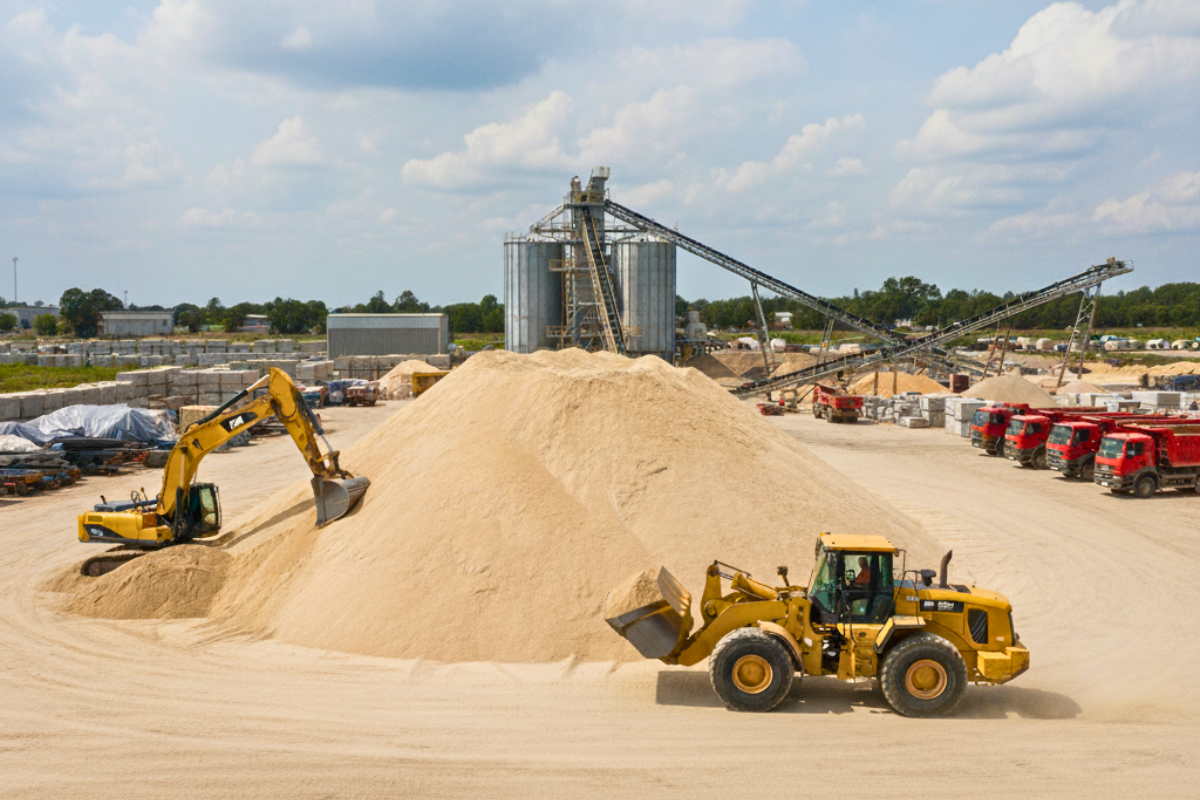
Quality, Supply, and Delivery You Can Count On
Whether it’s import sand or locally sourced aggregates, we back everything with reliable logistics. Our trucking network spans Los Angeles, Orange County, San Diego, and Northern California, allowing for prompt, large-volume deliveries.
We’ve supplied thousands of contractors who count on us to deliver the right material, on time, every time. From sports complexes to residential developments, our goal remains the same: to deliver quality sand that performs.
Choose Western Materials for Consistent Supply
No matter where your job site is, our sand delivery near me service ensures you get consistent quality without delays. We monitor every delivery from load to drop-off to maintain standards and reliability.
When local supply falls short or when your project needs tighter specifications, imported sand can make a real difference. At Western Materials, we’ll guide you on which option suits your build best and deliver it straight to your site without hassle.
FAQs
1. What types of sand does Western Materials supply?
We supply both locally sourced and imported sand, including concrete sand, plaster sand, arena sand, decomposed granite, and more.
2. Do you provide sand delivery for large construction sites?
Yes, we offer trucking and bulk delivery across Southern and Northern California for both small and large projects.
3. How do I know if imported sand is right for my project?
Our team evaluates your construction needs, mix design, and compliance standards to recommend whether local or imported sand fits best.
4. Does Western Materials meet California construction standards?
Yes, our materials comply with ASTM, Caltrans, and Greenbook standards to ensure strength, durability, and safety for every project.
.jpg)
.png)
.png)

.png)
.png)


